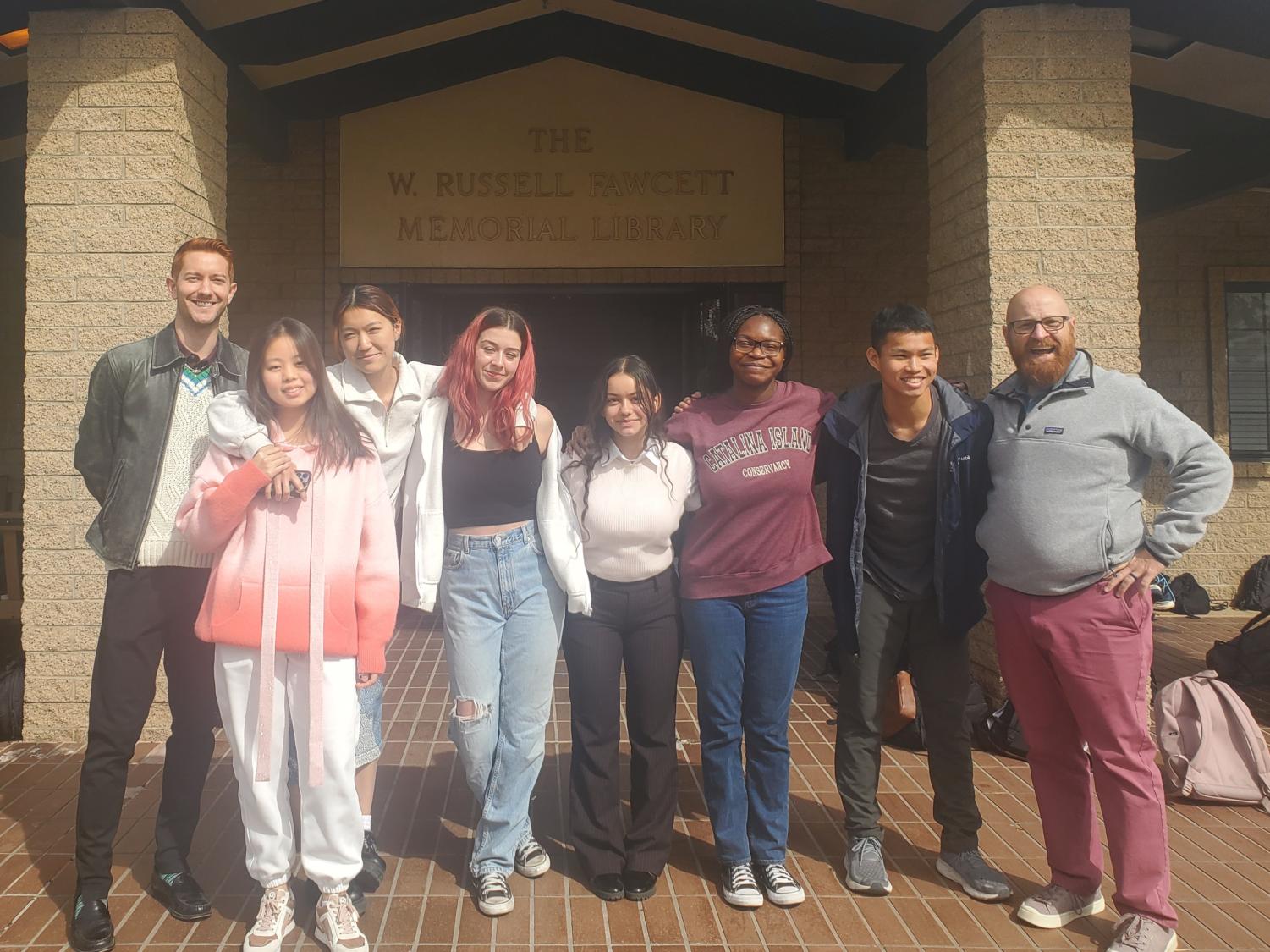
Recently, the Black Student Union Club and the Book Club collaborated to discuss the book Dear Martin by Nic Stone.
The book follows the life of a seventeen-year-old Black American boy named Justyce. An overall, good student heading into an Ivy League school, Justyce is racially profiled while trying to help his drunk, white ex-girlfriend.
Without giving away too many spoilers, Justyce is discriminated by a cop and put into handcuffs. At school the next day, he hears about another police officer who was failed to be indicted for killing Shemar Carson, a seventeen-year-old black male. Justyce can’t help but wonder if his encounter could have been fatal. He faces a constant internal struggle as he tries to accept his identity.
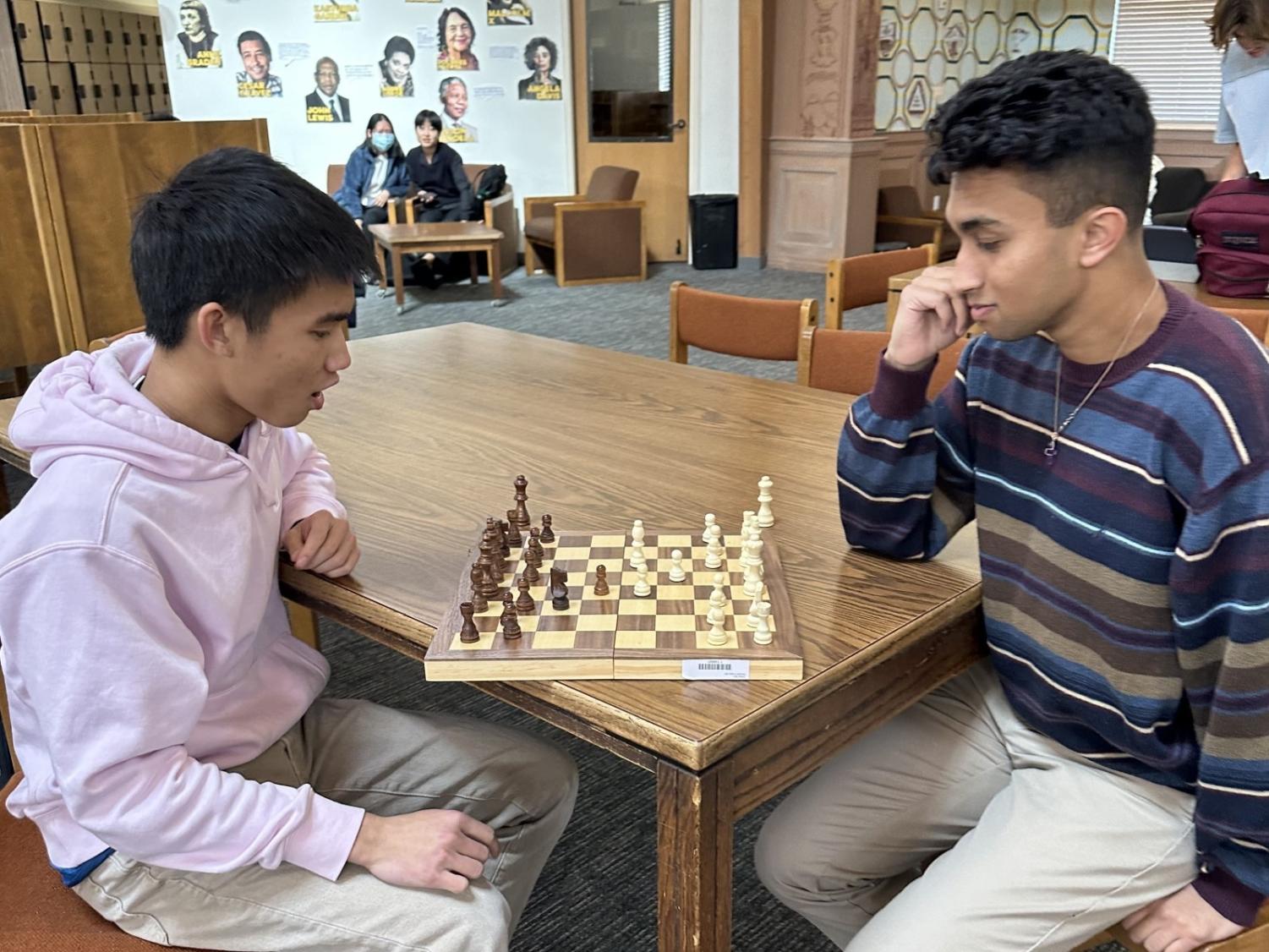
The book club and Black Student Union came together to analyze this story and dissect the details. A group discussion over Zoom allowed participants to share their thoughts regarding this gripping story.
One of the main points that were discussed was the idea of “fitting in.” Justyce realizes that it is difficult to find his place in the world now after the incident. He was a “good kid,” and his perception of himself completely changed. As he struggles to find out who he is a where he belongs, the group analyzed why this might be.
With a series of engaging questions, the book club provides, both students and teachers participating could share their own opinions.
“When you do the most powerful actions, most won’t agree with you,” says Nick Lee (‘22).
The discussion is kept healthy and is honestly quite impressive. Each thought a person had was deliberate and backed with evidence. Each and every person participates by answering the questions to their best ability, and everyone wants to participate. It is an accepting environment that allows for a safe discussion of any view one might have. The club is able to go into deep topics such as the common occurrence of racial profiling.
“I love that I get to brainstorm with different students at school. I’m surprised that students show up, and I’d love for more Black Webb participants,” says Karma Griggs (‘23).
Sadly, racial profiling has become a normality in the United States, especially for the Black community. Over 50% of Black Americans have experienced a form of discrimination in their life.
https://www.hsph.harvard.edu/news/press-releases/black-americans-discrimination-work-police/“I guess the one time that racial profiling really stuck with me was when I was taking my entrance exam for Webb. During one of our breaks, I overheard some girls talking about who they thought would get in and who wouldn’t,” said Reece Ollivierre (‘23) hen they got around to me, they said, ‘she’ll get in because she’s black.’ It felt terrible thinking that I was only there for the diversity instead of being there because I earned my way up. I have to live with the fact that people will only see my race first before they see my accomplishments and hard work.”
Sadly, occurrences such as what Reece has faced are just one of the many encounters African American people face on a day-to-day basis.
As shown in Dear Martin, it’s become a normality amongst the Black American population to experience racism in in every setting they are in. Black Americans don’t only experience racism by police officers, they experience racism by anyone whose been influenced by ideologies of white supremacy.
For Black Americans, no matter who they are or what their “status” is in society, the color of their skin will always be the first impression people will judge them on.
Racism against the Black American community has been happening for centuries, and we need to take a stand to combat racism.
Links to help join the fight against racism: